Semaglutide has gained attention for its effectiveness in weight loss, but achieving optimal results requires understanding what foods to avoid on semaglutide. The medication works by controlling appetite and slowing digestion, which makes certain foods more likely to cause discomfort or slow your progress. FitRx provides guidance on making dietary choices that support the medication, helping users achieve consistent, long-term weight loss without unnecessary side effects.
While semaglutide regulates hunger and food absorption, your food choices still play a critical role in results. Choosing the wrong foods can lead to nausea, bloating, and reduced motivation. By learning which foods to limit, you can improve both comfort and outcomes. FitRx focuses on educating individuals so they can make informed decisions and maintain a sustainable approach to eating.
High-Fat and Fried Foods
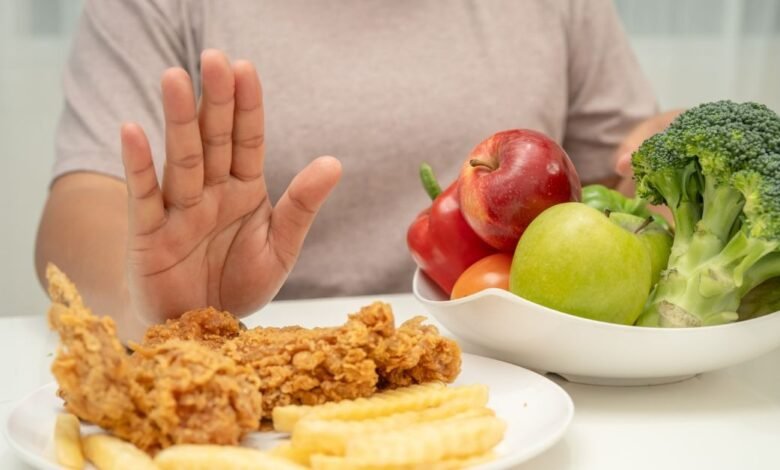
One of the main categories to consider in semaglutide food restrictions is high-fat and fried foods. These foods are difficult to digest and may stay in the stomach longer due to slower gastric emptying, causing discomfort or nausea. Examples include fried snacks, greasy fast food, and heavy fried meals.
FitRx recommends replacing these options with lighter, nutrient-dense meals that are easier on the digestive system. Lowering the intake of fried and high-fat foods not only reduces side effects but also contributes to a calorie deficit, which is crucial for weight loss.
Sugary Foods and Refined Carbohydrates
Sugary foods and refined carbohydrates can interfere with the effectiveness of semaglutide for weight loss. Items like sodas, sweets, pastries, and processed snacks can spike blood sugar and trigger cravings, making it harder to stay on track.
FitRx encourages focusing on complex carbohydrates such as whole grains, vegetables, and legumes. These foods provide steady energy, reduce cravings, and help maintain fullness for longer periods, complementing the medication’s effects.
Large Portions and Overeating
Portion size is critical when using semaglutide. Because the medication slows digestion, consuming large meals can lead to bloating, nausea, and general discomfort. Even healthy foods can cause issues if eaten in excessive amounts.
FitRx emphasizes mindful eating, encouraging smaller and balanced meals throughout the day. Paying attention to signals of fullness allows the body to adjust naturally to the medication, enhancing both comfort and results. Establishing this habit early supports sustainable weight loss and helps prevent unnecessary setbacks.
See also: 6 Preventive Tests You Should Include in Your Next Health Check
Carbonated Drinks and Alcohol
Carbonated beverages, such as soda or sparkling water, can increase bloating and discomfort in combination with semaglutide. Alcohol also poses challenges, as it can irritate the stomach lining, increase nausea, and contribute unnecessary calories.
FitRx highlights that limiting alcohol and carbonated drinks, especially during the initial phase of treatment, can significantly improve how you feel daily and support smoother digestion. Replacing these with water or herbal teas helps maintain hydration and reduces side effects of semaglutide.
Processed and Low-Nutrient Foods
Highly processed foods often contain hidden fats, sugars, and artificial additives, offering little nutritional value. These foods can interfere with digestion and hinder weight loss progress.
FitRx recommends replacing processed options with whole, nutrient-rich foods that support both weight loss and overall health. Gradually shifting toward healthier food choices aligns with semaglutide’s appetite-control benefits, allowing users to feel satisfied while consuming fewer calories.
Foods That Trigger Side Effects
Certain foods are more likely to cause digestive side effects, particularly during the first few weeks of semaglutide use. Spicy meals, very rich or oily dishes, and extremely large portions often trigger nausea, bloating, or stomach discomfort.
FitRx advises monitoring your body’s reaction after meals. Recognizing which foods cause discomfort allows for adjustments and helps maintain consistency in your weight loss journey. Simpler, balanced meals during the early stages reduce the likelihood of side effects and improve adherence.

Building a Sustainable Semaglutide Diet
A sustainable approach is essential for long-term success. Following semaglutide diet tips involves eating smaller, balanced meals containing lean proteins, fiber-rich vegetables, and healthy fats while controlling portion sizes. Hydration is equally important, as it aids digestion and helps reduce nausea.
FitRx encourages users to focus on consistency rather than extreme dieting. Long-term habits such as regular meal timing, mindful eating, and choosing nutrient-dense foods improve weight loss results while minimizing discomfort. Over time, these strategies become natural routines, enhancing both progress and well-being.
Conclusion
Knowing what foods to avoid on semaglutide is crucial for reducing side effects and maximizing weight loss. High-fat fried foods, sugary snacks, large meals, carbonated beverages, alcohol, and processed foods can all impede progress or cause discomfort.
FitRx provides practical guidance to help individuals make informed choices that align with how semaglutide works. By focusing on balanced meals, controlled portions, and hydration, users can enjoy steady, sustainable results and a more comfortable experience with the medication.
FAQs
1. What foods should I avoid while on semaglutide?
Avoid high-fat, fried, sugary, processed foods, and excessive portions to reduce side effects and improve results.
2. Why do certain foods cause nausea on semaglutide?
Slower digestion means heavy, greasy, or very large meals stay in the stomach longer, leading to discomfort.
3. Can I eat carbs while taking semaglutide?
Yes, but prioritize complex carbs like whole grains and vegetables instead of refined sugars.
4. Is it safe to drink alcohol on semaglutide?
Alcohol should be limited, especially early in treatment, to prevent digestive discomfort and excess calorie intake.
5. How can I reduce side effects through diet?
Focus on smaller, balanced meals, avoid trigger foods, and stay well-hydrated to support digestion and comfort.